


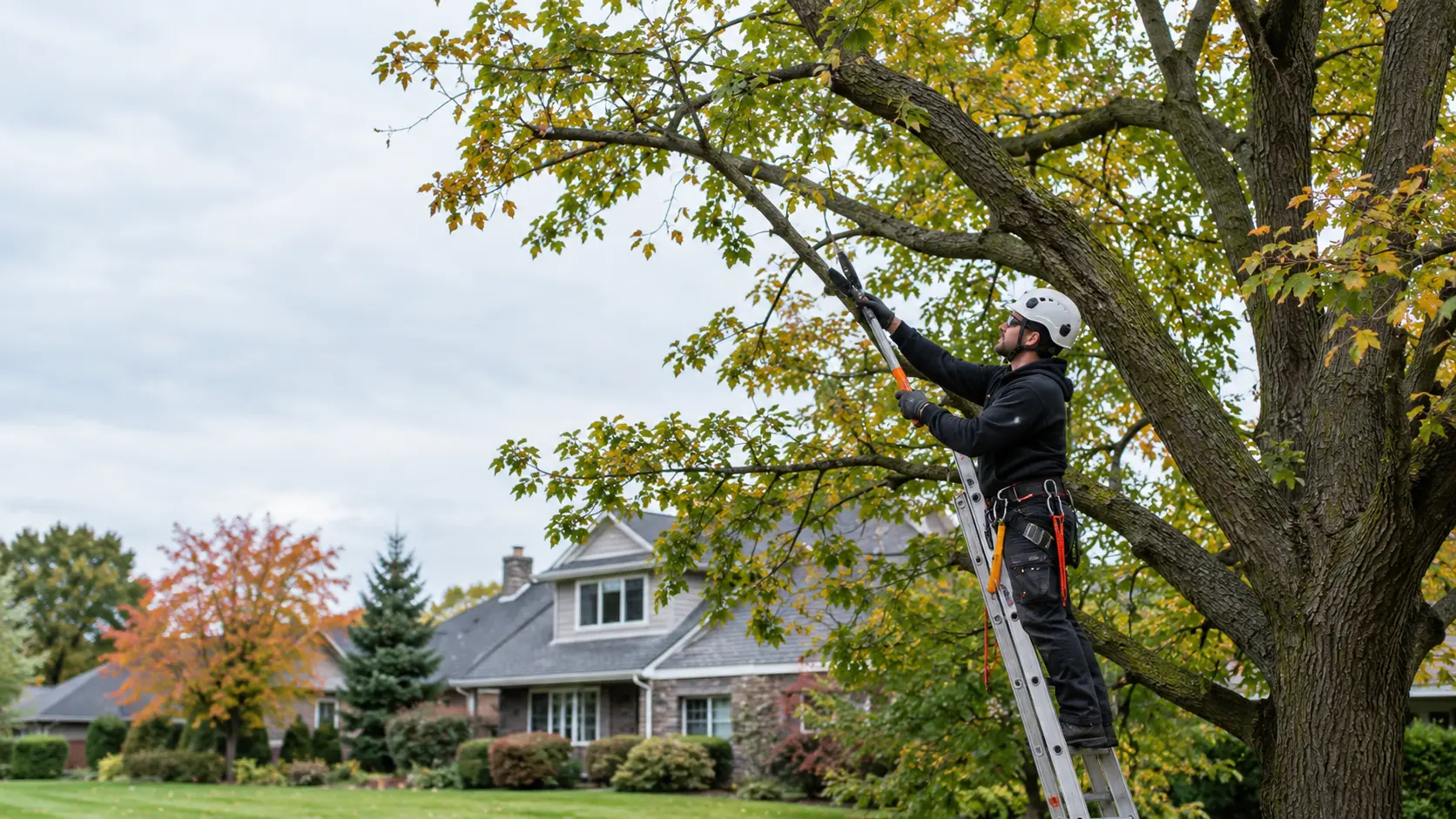
Trees can transform a Buffalo property. They provide shade in summer, add character to a yard, and can make a home feel more established and inviting. But trees do not always grow in a way that keeps them healthy, balanced, and clear of surrounding structures.
Regular trimming can help manage dead branches, excessive growth, weak limbs, and branches that are growing toward homes or other structures. The question many homeowners have is simple: How often should trees be trimmed?
There is no single schedule that works for every tree. Some trees may benefit from annual inspections and occasional pruning, while others may only need trimming every few years.
For homeowners looking for tree trimming in Buffalo NY, understanding what affects trimming frequency can help you recognize when your trees may need professional attention.
How Often Should You Trim a Tree?
As a general starting point, many mature trees can be evaluated every 1–3 years, with trimming performed when there is a specific need.
However, the ideal frequency depends on several factors, including:
- Tree species
- Tree age
- Tree size
- Overall health
- Growth rate
- Previous pruning
- Location on the property
- Storm exposure
- Proximity to buildings or utility lines
Young trees can sometimes benefit from more frequent structural pruning as they develop. Mature trees often require less frequent maintenance when they are healthy and properly structured.
The goal should not be to trim a tree simply because a certain number of months have passed. Instead, trimming should address actual growth, health, and safety concerns.
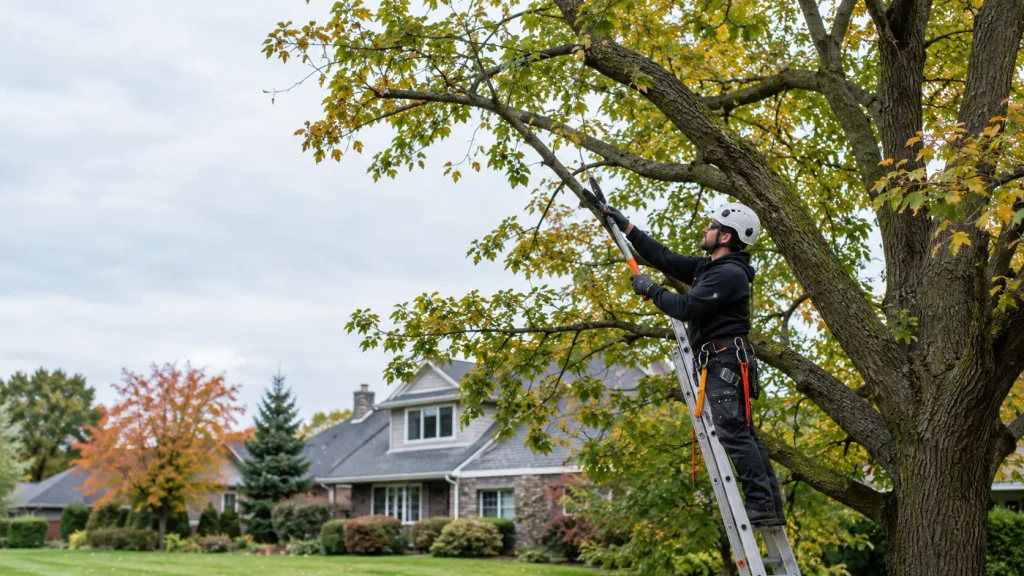
1. Young Trees May Need Regular Structural Trimming
Young trees are still developing their permanent structure.
Early pruning can help encourage strong branch development and reduce problems that could become more difficult to correct as the tree grows.
For example, a young tree may develop:
- Competing leaders
- Crossing branches
- Weak branch unions
- Low-growing limbs
- Branches growing toward a building
- Excessive or poorly positioned growth
Correcting these issues while the tree is young can often be easier than dealing with large structural problems later.
Rather than removing large amounts of growth at once, professional pruning can focus on gradually developing a stronger and more balanced structure.
2. Mature Trees Usually Need Maintenance, Not Constant Trimming
A healthy mature tree does not necessarily need to be trimmed every year.
In many cases, mature trees benefit from periodic inspection and maintenance pruning when specific problems appear.
This may include removing:
- Dead branches
- Broken limbs
- Diseased or damaged growth
- Branches rubbing against each other
- Poorly positioned branches
- Growth interfering with structures
Over-trimming a mature tree can create unnecessary stress and may remove healthy growth that the tree needs.
For this reason, the goal of professional tree trimming should be targeted maintenance rather than simply cutting away as much growth as possible.
3. Storm Damage Can Change Your Trimming Schedule
Buffalo weather can be unpredictable. Strong winds, heavy snow, ice, and thunderstorms can all damage trees.
A tree that did not need trimming before a storm may suddenly have broken, hanging, or damaged branches afterward.
After severe weather, look for visible signs such as:
- Broken limbs
- Hanging branches
- Split branches
- Newly exposed wood
- Branches resting on other limbs
- Changes in the tree’s shape
- Branches that have fallen onto the property
Never climb a damaged tree or attempt to remove large hanging branches yourself.
Storm-damaged branches can be unstable and may move unexpectedly. If you notice significant damage, consider having the tree professionally assessed.
4. Trees Near Your House May Need Closer Attention
Location matters when determining how often a tree should be inspected.
A branch growing several feet away from an open lawn may not present the same concern as a large limb extending directly over a roof.
Trees growing near homes, garages, driveways, sidewalks, and other frequently used areas may benefit from more regular inspections.
Watch for branches that are:
- Growing toward the roof
- Touching the house
- Blocking windows
- Growing over a driveway
- Interfering with vehicles
- Obstructing walkways
- Becoming too close to other structures
Trimming may not always be necessary immediately, but identifying these issues early can make future maintenance easier.
5. Dead Branches Should Not Wait for a Calendar Date
One of the most important reasons to trim a tree is deadwood.
Dead branches can remain attached to a tree for some time, but they can become more likely to fall as they deteriorate. Large dead limbs are particularly concerning when they are located over areas used by people or vehicles.
If you notice a large dead branch, do not wait for your normal maintenance schedule simply because the tree was recently trimmed.
A professional can evaluate the branch and determine whether it should be removed.
6. Some Trees Grow Faster Than Others
Tree species can also influence trimming frequency.
Fast-growing trees may require more frequent maintenance because they produce new branches relatively quickly. Slower-growing species may require less frequent trimming.
This is one reason why a trimming schedule designed for one tree may not be appropriate for another.
The size and position of the branches are also important. A rapidly growing branch extending toward a structure may require attention sooner than similar growth in an open area.
When Is the Best Time to Trim Trees in Buffalo?
The best time for trimming depends on the tree and the type of pruning required.
For many trees, late winter or early spring can be a useful time for certain structural pruning because trees are dormant and their branch structure can be easier to see.
However, there is no universal “best month” for every tree.
Dead, broken, or hazardous branches may need attention regardless of the season. Storm damage should also be addressed when necessary rather than waiting for a preferred pruning window.
Tree species, health, weather conditions, and the purpose of the pruning should all be considered when determining timing.
Should You Trim Trees Every Year?
Not necessarily.
Annual tree inspections can be useful, particularly for trees near homes, roads, driveways, or other high-use areas. But an inspection does not automatically mean the tree needs to be trimmed.
A healthy tree may go several years without requiring significant pruning.
On the other hand, a tree with dead branches, storm damage, structural problems, or rapid growth may need attention sooner.
The objective is to maintain the tree when necessary rather than following an arbitrary yearly cutting schedule.
Signs Your Trees May Need Trimming
Instead of relying only on a calendar, look for visible signs that your trees may need attention.
Consider having a tree evaluated if you notice:
Dead or Broken Branches
Deadwood and broken limbs can become increasingly problematic as they deteriorate.
Branches Touching Your Home
Branches rubbing against siding, roofs, gutters, or windows may need to be addressed before they cause damage.
Crossing or Rubbing Branches
Branches that repeatedly rub against each other can create wounds and damage the bark.
Excessive Growth
Branches extending into walkways, driveways, or other areas may need selective pruning.
Hanging Limbs
Large hanging branches should be treated cautiously, particularly after severe weather.
Unbalanced Growth
A heavily uneven canopy can sometimes indicate structural or growth-related issues that deserve professional evaluation.
What Happens If You Wait Too Long?
Skipping tree maintenance does not automatically mean a tree will become dangerous. However, small problems can sometimes become more difficult to manage as branches grow larger.
For example, a small branch growing toward a roof may eventually become a large limb that is much harder to remove safely.
Similarly, crossing branches can continue rubbing and creating larger wounds over time.
Regular inspections allow homeowners to identify these issues before they become more complicated.
Avoid Over-Trimming Your Trees
More trimming is not always better.
Removing too much live growth can alter the tree’s natural structure and appearance. Heavy or unnecessary pruning can also create large wounds and leave the tree with fewer leaves available for normal growth.
Professional trimming should focus on specific objectives, such as removing deadwood, improving structure, managing clearance, or addressing damaged growth.
A healthy tree generally benefits from thoughtful, selective pruning rather than aggressive cutting.
What About Trees Near Power Lines?
Trees growing near utility lines require extra caution.
Never attempt to cut branches that are touching or dangerously close to electrical lines. Even branches that appear easy to reach can create serious hazards when electricity is involved.
If tree growth is interfering with utility lines, contact the appropriate utility provider and a qualified tree professional for guidance.
Professional Tree Trimming in Buffalo, NY
For homeowners searching for tree trimming Buffalo NY, Evergreen Tree Service provides professional tree care for residential and commercial properties in Buffalo and surrounding areas.
Professional trimming can help address deadwood, damaged branches, excessive growth, structural concerns, and branches interfering with buildings or other areas of the property.
Rather than trimming every tree on the same schedule, the condition and needs of each tree should be considered individually.
A Simple Tree Trimming Checklist
If you are unsure whether your trees need attention, start with a visual inspection from a safe location.
Ask yourself:
- Are there dead or broken branches?
- Are large limbs hanging over the house?
- Are branches rubbing against each other?
- Has the tree changed significantly since the last inspection?
- Has a recent storm caused damage?
- Are branches blocking a driveway or walkway?
- Is the tree growing into an area where it could become a problem?
- Are there branches growing close to utility lines?
If you notice significant concerns, professional evaluation can help determine whether trimming is appropriate.
Final Thoughts
There is no universal schedule for tree trimming in Buffalo, NY. A young, fast-growing tree may need attention more frequently than a mature, healthy tree. Storm damage, dead branches, structural problems, and proximity to buildings can also change when trimming becomes necessary.
Instead of trimming trees simply because another year has passed, pay attention to their condition and growth.
Regular inspections combined with appropriate professional maintenance can help keep trees healthy, attractive, and better suited to their surroundings.
If you are concerned about overgrown, damaged, or poorly positioned branches, Evergreen Tree Service can evaluate your trees and discuss appropriate tree trimming services in Buffalo NY.
Call (716) 451-3716 to discuss your tree-care needs and request an estimate.